

Education, Child, and Energy Credits: A General Educational Overview for 2024 Tax Filing
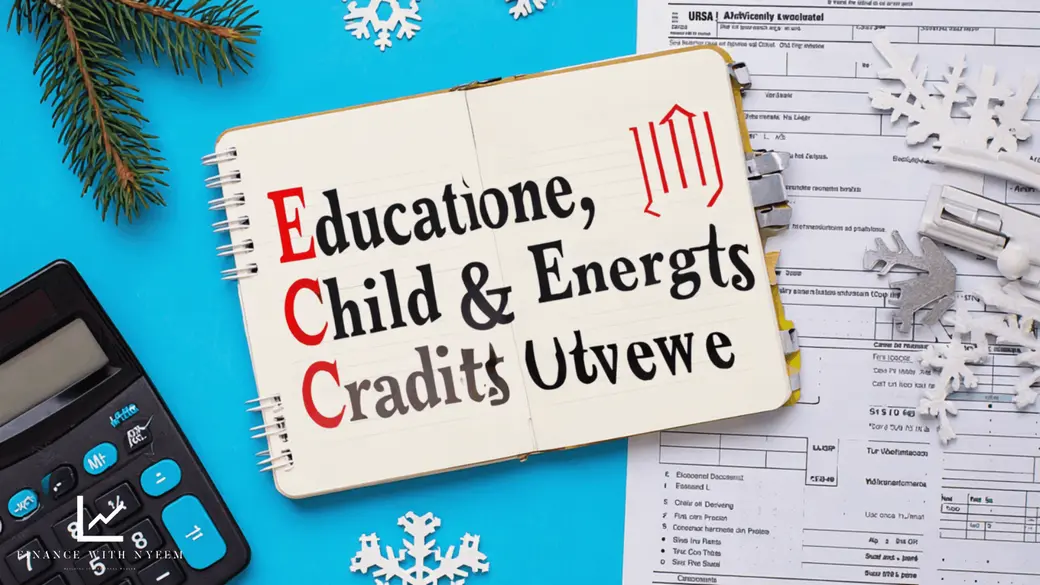
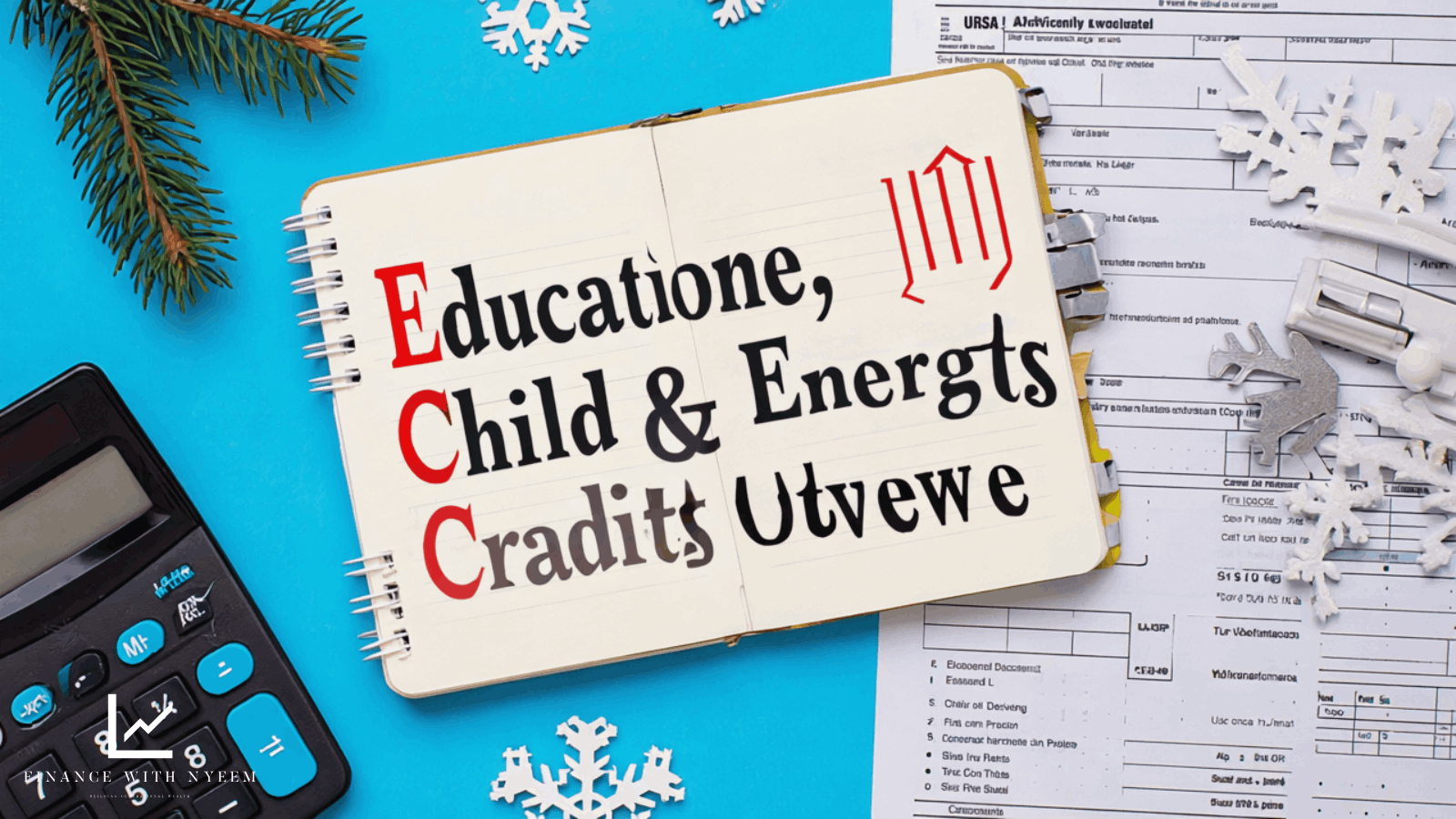
As individuals prepare to file their 2024 tax return (during the 2025 filing season), many will encounter tax credits related to education costs, children or dependents, and energy-efficient home improvements. These credits appear frequently in IRS publications, tax software, and other informational materials. However, the terminology can often feel overwhelming or confusing, especially for people filing independently or organizing documents before meeting with a qualified tax professional.
This article provides an educational-only, high-level overview of three major categories of credits that are commonly discussed during tax season:
-
Education-related credits
-
Child and dependent-related credits
-
Energy efficiency and home improvement credits
This information does not determine eligibility or provide tax advice. Instead, it is meant to help individuals understand general concepts, identify terms they may come across, and feel more prepared during tax season.
⭐ 1. Education-Related Tax Credits (General Overview)
Educational costs are a common financial topic for many households. When students attend college, vocational school, or other qualifying post-secondary programs, families may encounter IRS forms and terminology related to education. These credits typically aim to support learning and help reduce the financial impact of tuition and certain school-related expenses.
Typical items discussed in educational credit literature include:
-
Tuition and mandatory enrollment fees
-
Course materials such as books
-
School-related technology requirements
-
Year-end tuition statements such as Form 1098-T
IRS rules determine which expenses may be considered “qualified,” who may claim an education-related credit, and which income thresholds apply.
These credits are often highlighted in financial aid discussions, university tax departments, and student resource handbooks, which makes them familiar even for people who have not filed them before.
Why people see education credits on tax documents:
-
A dependent may be enrolled in school
-
The individual attended post-secondary education
-
A school issued a Form 1098-T
-
Someone paid eligible expenses during the year
Again, this article does not determine eligibility — it only introduces the general concept.
⭐ 2. Child & Dependent-Related Credits (General Overview)
Individuals with dependents frequently encounter child-related credit categories when reviewing IRS publications or tax summaries. These credits vary in structure and rules but share a common purpose: they are designed around supporting families, dependents, or qualified childcare needs.
General topics often associated with this category include:
-
Credits connected to children or qualifying dependents
-
Credits supporting work-related care expenses
-
Credits based on household circumstances
-
IRS-defined age, residency, and support rules
These credits often appear alongside W-2 forms, daycare statements, dependent-care receipts, and other documents related to family expenses.
Examples of documentation people may encounter:
-
Statements from childcare providers
-
School enrollment documentation
-
Dependent care expense summaries
-
IRS forms discussing qualifying dependents
Understanding these credit categories can help people stay organized, especially those managing multiple dependents or childcare-related costs.
⭐ 3. Energy Efficiency & Home Improvement Credits (General Overview)
Homeowners who made improvements in 2024 may see energy-related categories appear in tax articles, utility service promotions, or contractor marketing materials. In recent years, the IRS has updated several energy-related incentives, which makes this a common area of interest during tax season.
Common home improvements that appear in IRS energy credit literature include:
-
Insulation and energy-efficient windows
-
Exterior doors
-
Heat pumps and HVAC systems
-
Solar systems or alternative energy upgrades
-
Home energy audits
These upgrades may reduce long-term energy usage, which is why many homeowners explore them.
Why people see energy credit references:
-
Contractors mention them during installation
-
Utility companies promote rebate-style programs
-
IRS publications highlight the categories
-
Homeowners seek to understand possible tax implications
IRS rules determine which improvements may qualify, the documentation required, and the annual limits that apply.
⭐ Why These Three Credit Categories Are Often Grouped Together
Although education, child-related, and energy credits cover very different situations, they frequently appear in tax season guides because:
-
They affect a large number of households
-
They are widely discussed across financial and educational institutions
-
They involve specialized documentation (1098-Ts, childcare receipts, contractor invoices, etc.)
-
Their rules can change year to year
-
They represent some of the highest search volumes in January, February, and March
For many individuals, these categories simply serve as a reminder to gather relevant documents before filing.
⭐ How These Credits Typically Appear in the Filing Process
While every tax filing situation is unique, individuals often encounter these credits in the following ways:
During document collection:
-
Schools send Form 1098-T
-
Childcare providers may issue year-end summaries
-
Contractors provide receipts and project descriptions
-
Employers may provide benefits information for dependent care accounts
During tax preparation:
Tax software and professionals commonly ask:
-
“Did you have any childcare expenses?”
-
“Did anyone attend school in 2024?”
-
“Did you make any home energy improvements?”
Understanding what these questions refer to makes the filing process feel more approachable.
⭐ Final Thoughts
Education credits, child & dependent credits, and energy-related improvement credits remain among the most commonly referenced topics during tax season. Although this article cannot determine whether any individual qualifies for these credits, the goal is to provide an accessible, educational foundation so individuals can prepare documents more confidently when filing their 2024 return in 2025.
View the entire tax blog series here:
👉 https://www.akrealestatepi.com/blog?categoryId=0
Week 4 tax prep scheduling is open:
📲 907-744-6604
📩 FinanceWithNyeem@gmail.com
📅 https://calendly.com/nyeem/taxes-coaching
Disclaimer: Educational purposes only. Not tax advice.
Categories
Recent Posts








"My job is to find and attract mastery-based agents to the office, protect the culture, and make sure everyone is happy! "